Buy Aciclovir Online at the Best Prices Today

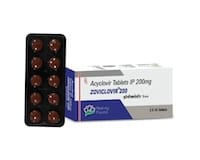
Buy Aciclovir Online at the Best Prices Today
How Aciclovir Works to Halt Viral Replication
Imagine a virus as a rogue architect trying to build a skyscraper in the middle of your bloodstream. It arrives with a blueprint, desperately searching for materials to replicate its genetic code. Without intervention, these tiny invaders multiply like wildfire, turning your healthy cells into frantic little factories dedicated solely to their own expansion.
Aciclovir acts as a bit of a saboteur on this construction site. It doesn’t just walk into the room and demand the virus stop; instead, it sneaks into the supply chain. It mimics the natural building blocks of DNA, tricking the viral machinery into thinking it has found a legitimate piece of genetic material to use.
Once the virus accepts this “fake” piece, the whole operation hits a brick wall. The replication process comes to a grinding halt because the chain of DNA cannot be completed. It is a clever game of biological deception that prevents the infection from spreading through your body like a runaway train.
The Molecular Deception Process
The magic happens through a highly specific biochemical dance. When the drug enters an infected cell, it undergoes a transformation. It is essentially a “sleeper agent” that remains inactive until it encounters a specific viral enzyme known as thymidine kinase. This enzyme is the key that unlocks the drug’s true potential.
Once activated, the drug undergoes further phosphorylation. It becomes a potent competitor for the building blocks needed to construct DNA strands. It’s like trying to build a Lego castle, but someone has replaced the final crucial brick with a piece that simply won’t fit into the structure.
This selective nature is why the drug is so effective and relatively safe for the patient. Because it requires that specific viral enzyme to wake up, it largely leaves your healthy, uninfected cells alone. It stays dormant, waiting for the enemy to show its face before it strikes.
The mechanism can be summarized by these critical steps in the cellular battle:
- Activation: The drug is phosphorylated by viral thymidine kinase.
- Competition: The activated drug competes with natural nucleotides.
- Termination: The DNA chain is prematurely terminated, stopping replication.
Comparison of Cellular Impact
To visualize how this affects your internal environment, consider the difference between a healthy cell and one under siege. The following table illustrates the fundamental shifts that occur during the treatment process:
| Feature | Unprotected Cell | Cell with Aciclovir |
| Viral DNA Synthesis | Rapid and continuous | Stalled and incomplete |
| Enzymatic Activity | Normal metabolic function | Targeted viral inhibition |
| Cellular Integrity | Maintained during infection | Protected from viral lysis |
While the drug is a powerhouse against many strains, it is not a magic wand. It works best when taken early, catching the virus before it has established a massive foothold. If you wait too long, the battle might already be halfway lost, making the recovery process much more difficult.
Doctors often monitor the efficacy of the treatment, especially in severe cases where costs might fluctuate. While a standard course of treatment is generally affordable, specialized hospital administration for severe outbreaks can see costs rise. A typical outpatient prescription might range from $30 to $150 depending on the dosage and local availability.
Common Dosage Regimens and Administration Scenarios
Timing is everything when you are staring down a viral outbreak. If you wait until the blisters are screaming for attention, you might be playing catch-up. Most doctors suggest hitting the brakes early, often before the first tingling sensation even makes its grand appearance on your skin.
The way you take this medication depends heavily on what you are fighting. A simple case of cold sores requires a sprint, while a more persistent herpes outbreak demands a marathon. It is not a one-size-fits-all situation; your body’s needs change based on the enemy’s strength.
For those dealing with shingles, the regimen often involves much higher doses. The goal here is to suppress the virus before it can wreak havoc on your nerves. It is a heavy-duty approach for a high-stakes battle, ensuring the virus doesn’t find much room to breathe.
Tailoring the Treatment to the Infection
When it comes to genital herpes, the strategy often shifts toward long-term management. Some patients prefer “episodic therapy,” which means they only reach for the bottle when they feel a flare-up coming on. This is like having a fire extinguisher ready in the kitchen just in case.
Others opt for “suppressive therapy,” which is a continuous, daily dose. This is a preventative shield that keeps the virus in a permanent slumber. It is a bit like a security system that runs 24/7; you might not notice it working, but you definitely notice if it’s turned off.
The dosage for chickenpox in children is a different beast entirely. Pediatrician orders are often calculated based on weight to ensure the drug hits the sweet spot. You wouldn’t want to underdose and lose the fight, nor would you want to overdo it and cause unnecessary side effects.
Understanding the various ways this medication is dispensed can help you manage your expectations and your wallet. Different formats and treatment durations lead to different price points for the consumer.
| Treatment Type | Typical Duration | Estimated Cost |
| Episodic Cold Sore | 3 to 5 days | $15 |
| Genital Herpes Flare | 5 to 10 days | $45 |
| Shingles Management | 7 to 14 days | $85 |
| Suppressive Therapy | 6 months (monthly) | $220 |
Always remember that the instructions on the bottle are your best friend. Skipping doses is like leaving the back door unlocked during a storm; you are essentially inviting the virus to come back and finish the job. Consistency is the secret sauce to effective antiviral therapy.
If you find yourself struggling with the pill count, talk to your pharmacist. They can often provide blister packs that make the schedule much easier to follow. It is better to be organized now than to be scrambling when the symptoms start to peak.
Comparing Aciclovir vs. Valaciclovir Effectiveness
Think of these two medications as different types of soldiers in a war. Aciclovir is the seasoned, reliable veteran that has been on the front lines for decades. It is a steady hand, though it requires a bit more maintenance to keep the battle going. It does its job, but it doesn’t always stay in the fight as long as you might want.
Valaciclovir, on the other hand, is like the high-tech, rapid-response unit. It is essentially a “prodrug,” which is a fancy way of saying it waits until it gets into your system to transform into its active form. This clever design allows it to travel through your bloodstream much more efficiently than its older cousin, making it a real heavyweight in terms of convenience.
When you look at the actual clinical results, the difference often comes down to how often you have to reach for the pill bottle. Because Valaciclovir is absorbed so much better by the gut, it stays in your system at higher levels for a longer period. This means you aren’t constantly playing a game of “catch-up” with the virus’s replication cycle.
The choice between them isn’t always about which one is “better” in a vacuum, but rather which one fits your lifestyle and the specific intensity of your infection. Some people find the simplicity of a twice-daily dose much easier to manage, while others find the lower cost of Aciclovir to be the deciding factor in their treatment plan.
The Battle of Bioavailability
Bioavailability is the fancy term for how much of the drug actually makes it into your bloodstream to do its job. Aciclovir has a bit of a “leaky bucket” problem. Even if you swallow a large dose, your body only absorbs a fraction of it, meaning the rest simply passes through you without making much of an impact.
Valaciclovir solves this headache by acting as a Trojan horse. Once it enters your body, your liver steps in and converts it into Aciclovir through a process called esterification. This clever trick ensures that a much higher concentration of the active medicine reaches the site of the infection, effectively hitting the virus where it hurts most.
Because of this superior absorption, the dosing schedules look very different on paper. While Aciclovir often requires a heavy, five-times-a-day regimen to maintain steady levels, Valaciclovir can often be taken just two or three times a day. It is the difference between constantly feeding a small flame and occasionally adding a large log to a bonfire.
For many patients, this convenience is a game-changer. When you are dealing with a painful outbreak, the last thing you want to worry about is setting an alarm for a midday dose. Valaciclovir simplifies the logistics, making it much harder to accidentally miss a critical window in your treatment schedule.
Comparing Practical Use and Costs
If you are watching your wallet, Aciclovir is often the clear winner. Because it has been around the block many times, it is incredibly cheap to produce and highly available. You can often pick up a standard prescription for a very modest price, making it the go-to option for those on a tight budget.
However, there is a hidden cost to the cheaper option: time and compliance. If you find yourself forgetting doses because the schedule is too demanding, you might end up needing more medication or facing a longer recovery period. In that scenario, the “cheap” option actually becomes quite expensive in the long run.
Valaciclovir carries a higher upfront price tag due to its more complex chemical structure and better absorption properties. It is an investment in simplicity and potentially higher efficacy for certain types of outbreaks. Many people find that paying a little extra to avoid the constant dosing hassle is well worth the peace of mind.
Ultimately, the decision often rests on whether you prioritize the immediate cost of the prescription or the long-term ease of the regimen. Both drugs are highly effective at stopping the virus from multiplying, but they approach the problem from very different tactical perspectives.
| Feature | Aciclovir | Valaciclovir |
| Absorption Rate | Relatively Low | Very High |
| Dosing Frequency | Often 5x daily | Typically 2-3x daily |
| Primary Advantage | Low Cost | Convenience/Potency |
| Typical Cost (per course) | $20 – $60 | $70 – $180 |
Current Market Pricing and Cost Factors
The Economics of Generic Availability
When you walk into a pharmacy, the price tag on an Aciclovir bottle usually won’t make your eyes water. Because this medication has been a staple in medicine cabinets for decades, the manufacturing process is streamlined to a fine art. It is a classic case of economies of scale working in your favor.
You will find that generic Aciclovir is the “budget-friendly champion” of the antiviral world. Most insurance providers cover it with minimal co-pays because it is so inexpensive for them to provide. For many patients, this makes it the most logical choice when trying to manage a chronic condition without breaking the bank.
However, the price can fluctuate depending on where you shop. A local independent pharmacy might charge a premium compared to a large-scale national chain. It is always wise to shop around or use online comparison tools to ensure you are getting the best deal on your specific dosage strength.
Some people find that buying in bulk can drive the price down even further. If your doctor prescribes a long-term maintenance regimen, asking for a 90-day supply might save you a significant chunk of change. It is all about playing the system to keep your healthcare expenses under control.
Hidden Costs and Indirect Expenses
While the sticker price of Aciclovir is low, it is important to look at the “lifestyle cost.” Taking a pill five times a day is a heavy lift. If you are at work or traveling, missing a dose because you couldn’t find a pharmacy can lead to a flare-up.
A flare-up is its own kind of expense. It might mean taking more sick days from work or needing a follow-up doctor’s visit to assess the damage. In these instances, the “cheap” drug actually triggers a ripple effect of extra costs that you didn’t see coming on day one.
There is also the mental load to consider. Constantly checking the clock to see if it is time for your next dose can feel like a second job. This psychological fatigue is a real factor that many patients overlook when they are simply looking at the bottom line of their receipt.
Sometimes, the most expensive option is the one that doesn’t work for your daily routine. If the dosing schedule causes you stress or leads to non-compliance, you might end up paying more in medical complications later. It is a delicate balancing act between immediate savings and long-term stability.
Price Comparison Breakdown
To give you a clearer picture, we have put together a quick comparison. This table illustrates how the upfront costs differ between the two main players. Keep in mind that these are estimates and can vary wildly based on your location and insurance coverage.
| Cost Category | Aciclovir (Generic) | Valaciclovir (Brand/Generic) |
| Standard 30-Day Supply | $15 – $45 | $80 – $220 |
| Average Co-pay | $5 – $15 | $30 – $60 |
| Price per Dose (Avg) | $0.50 – $1.50 | $2.50 – $6.00 |
Looking at these numbers, the gap is quite striking. If you are living on a fixed income, the Aciclovir option is almost certainly going to be your primary focus. It provides the necessary viral suppression without the heavy financial burden that often accompanies more modern, specialized medications.
On the other side of the coin, Valaciclovir is the premium choice. You are paying for the convenience of fewer pills and the peace of mind that comes with higher absorption. For some, that extra $100 is a small price to pay for a much simpler life.
Ultimately, your wallet and your lifestyle must have a conversation. You have to decide if the ease of a twice-daily dose is worth the higher cost, or if the traditional, frequent dosing schedule is a hurdle you are willing to jump to save money.
Navigating Online Pharmacy Purchases and Safety
The Digital Wild West of Pharmacy Sites
The internet is a vast ocean of convenience, but it can also be a shark-infested playground. When you start searching for Aciclovir online, you might stumble upon websites that look incredibly professional. They promise lightning-fast shipping and prices that seem almost too good to be true. It is a classic “too good to be true” scenario that requires a sharp eye.
Don’t let a flashy interface blind you to the red flags. Some rogue sites operate in a legal gray area, selling medications that haven’t undergone the necessary scrutiny. It is like buying a used car from a stranger in a dark alley; you might get a deal, but you have no idea what is under the hood. Safety should always be your North Star.
A legitimate online pharmacy should always require a valid prescription from a licensed healthcare provider. If a website offers to sell you Aciclovir without asking for a doctor’s note, run the other way. They are cutting corners that could lead to serious health complications or even life-threatening side effects from counterfeit substances.
Always check for a physical address and a verified phone number on the “Contact Us” page. If the only way to reach them is through a generic web form, proceed with extreme caution. You want a business that stands behind its products, not one that disappears into the digital mist when things go wrong.
Verifying Legitimacy and Credentials
How do you tell the wheat from the chaff in a sea of digital storefronts? Look for specific certifications that signal a pharmacy is playing by the rules. In the United States, for instance, you want to see a digital seal from the National Association of Boards of Pharmacy. These symbols are the “gold standard” for consumer protection.
You can also use tools like the VIPPS (Verified Internet Pharmacy Practice Sites) designation. This isn’t just a badge; it is a rigorous verification process. A pharmacy with this seal has been vetted to ensure they follow strict safety and quality standards. It provides a layer of armor between you and potentially dangerous, unverified medications.
Another way to test the waters is to look for patient reviews on third-party platforms. Avoid the reviews hosted on the pharmacy’s own website, as these can be easily manipulated. Instead, check independent forums or consumer protection sites. If a site has a trail of complaints about expired drugs, your wallet and your health will thank you for avoiding them.
Keep an eye on the pricing as well. While we know Aciclovir is generally affordable, a site offering it for a suspiciously low $2 for a month’s supply is likely a trap. These “bait-and-switch” tactics often result in receiving pills that are either expired, diluted, or contain the wrong active ingredients entirely.
Safe Shipping and Product Integrity
Once you have found a reputable source, the journey of your medication begins. How it arrives at your doorstep is just as important as where you bought it. You want your Aciclovir to arrive in a sealed, tamper-evident package. If the box looks crushed or the seal is broken upon arrival, do not hesitate to demand a replacement.
Temperature control is a silent killer of medication efficacy. While Aciclovir is relatively stable, some antiviral medications are sensitive to extreme heat or cold. If you live in a particularly harsh climate, check if the pharmacy uses climate-controlled shipping. A pill that has been baking in a delivery truck for a week might lose its potency.
When the package finally arrives, do a thorough inspection of the contents. Check the expiration date printed on the bottle or blister pack. Using expired medication is like trying to sail a ship with a hole in the hull; it might work for a moment, but eventually, you will run into trouble. Never settle for “almost” fresh.
Lastly, ensure the packaging matches your prescription exactly. The dosage strength, the number of tablets, and the manufacturer’s name should all align with what your doctor ordered. If you receive a bottle of 500mg tablets when you were prescribed 200mg, stop immediately. Precision is the difference between healing and harm.
| Safety Check Item | Red Flag | Green Flag |
| Prescription Requirement | No prescription needed | Valid doctor’s script required |
| Pricing | Abnormally low ($1 – $5) | Consistent with market rates |
| Contact Info | Only a web form | Verified phone/physical address |
| Packaging | Unsealed or damaged | Tamper-evident and intact |
Potential Side Effects and Precautions
Common Reactions and Minor Discomforts
Taking Aciclovir is often a smooth ride, but it isn’t always a walk in the park. Many people experience mild hiccups like nausea or a bit of a stomach ache. It’s as if your body is having a brief disagreement with the medicine as it adjusts to the new intruder in your system.
Some folks might notice their skin acting a little strange, perhaps a slight rash or some itching. Think of it as a minor skirmish rather than a full-blown war. Most of these little annoyances tend to vanish into thin air once the course of treatment is finished and your body finds its rhythm again.
Headaches are another common guest at the party. You might feel a dull throb behind your eyes or a general sense of fatigue. It’s important to listen to your body’s whispers before they turn into shouts. If a headache feels like a hammer hitting an anvil, it is time to call the doc.
Hydration is your best friend when using this antiviral. Drinking plenty of water helps keep your kidneys happy and flushing everything through smoothly. Imagine your kidneys as a busy highway; you want to keep the traffic flowing freely to prevent any sort of pile-up or congestion during your treatment.
When to Raise the Alarm
While most side effects are minor, you must keep a sharp eye out for the real deal. If you experience swelling in your face, lips, or tongue, that is a massive red flag. This is an allergic reaction that demands immediate attention, much like a fire alarm ringing in a crowded theater.
Watch out for more serious neurological shifts that might seem out of character. Confusion, dizziness, or even tremors can be signs that the medication is affecting your central nervous system. If you feel like you are walking through a thick fog or losing your grip on reality, seek medical help immediately.
Kidney function is another critical area to monitor. While rare, Aciclovir can sometimes put extra strain on your renal system. If you notice a significant change in how often you urinate or if your urine looks unusual, don’t wait for the next scheduled appointment. Address these changes with your healthcare provider right away.
It is always better to be safe than sorry when it comes to your internal organs. If you start feeling a sudden, sharp pain in your side or back, treat it with the utmost seriousness. Your health is a precious asset, and you shouldn’t gamble with it by ignoring potentially significant symptoms.
Important Precautions and Lifestyle Adjustments
Before you start your first dose, make sure your doctor knows every single thing you are currently taking. Mixing Aciclovir with certain other drugs, like some diuretics or anti-arrhythmics, can be like mixing oil and water. It can lead to unexpected interactions that complicate your healing process and cause unnecessary stress.
If you have any pre-existing kidney issues, the conversation changes entirely. Your doctor might need to adjust your dosage to ensure your kidneys aren’t being asked to do more than they can handle. It is a delicate balancing act between getting enough medicine to fight the virus and protecting your renal health.
Pregnancy and breastfeeding are also vital topics to bring to the table. While the risks are often considered low, you never want to play a guessing game with a developing life. Always consult your physician to weigh the benefits against any potential risks before proceeding with the medication during these sensitive times.
Finally, remember that completing the full course is non-negotiable. It might be tempting to stop once the sores look healed, but that is a dangerous game. Stopping early is like leaving a fire partially extinguished; the embers might still be glowing, waiting to reignite the infection with a vengeance.
| Symptom Type | Common (Mild) | Serious (Seek Help) |
| Digestive | Nausea, Stomach Upset | Severe abdominal pain |
| Skin | Mild Rash, Itching | Swelling of the face/tongue |
| Neurological | Dizziness, Fatigue | Confusion, Seizures |
| Renal | Increased Thirst | Decreased urine output |