Buy Tretinoin Gel Online for Best Prices Today

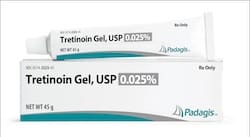
Buy Tretinoin Gel Online for Best Prices Today
The Chemistry of Tretinoin Gel for Skin Renewal
Think of your skin like a busy highway where old cells are the slow-moving traffic heading toward the exit. Tretinoin gel acts like a high-speed traffic controller, speeding up the entire flow. It works at a cellular level to accelerate turnover, ensuring that fresh, healthy skin cells reach the surface much faster than they would naturally.
This chemical process is essentially a biological reset button. By binding to specific retinoic acid receptors in your skin, the gel signals the basal layer to ramp up production. It is not just a superficial fix; it is a deep-seated overhaul that forces the skin to shed its old, damaged layers to make room for the new.
When you use this gel, you are essentially training your skin to work overtime. This rapid turnover helps prevent pores from clogging, which is a primary driver of breakouts. It is a delicate dance between chemical precision and biological response that requires patience to see the true, radiant results.
Navigating the Concentration Spectrum
Choosing the right strength is a bit like learning to swim; you wouldn’t jump into the deep end without a life vest. Beginners often start with 0.025% to help the skin build a tolerance. This lower dose minimizes the “retinoid purge” that can feel like a temporary storm before the calm.
If your skin is feeling brave, 0.05% is the middle ground where many people find their sweet spot. It offers a more aggressive approach to fine lines and texture. It is the “goldilocks” zone for many, providing a significant boost without the intense irritation often associated with higher potency levels.
For those with seasoned, resilient skin, the 0.1% concentration is the heavy hitter. It is designed for maximum efficacy against stubborn acne and deep wrinkles. However, it can be quite a handful, often causing dryness or peeling if not used with extreme caution and heavy moisturizers.
- 0.025% Concentration: Ideal for first-timers; focuses on gentle acclimation.
- 0.05% Concentration: The standard for moderate acne and fine lines.
- 0.1% Concentration: High-strength formula for advanced skin rejuvenation.
The Gel vs. Cream Debate
You might wonder why a gel behaves so differently under your fingertips compared to a rich cream. The answer lies in the vehicle. Gels are primarily water-based, meaning they lack the heavy oils and waxes found in creams. This makes them much lighter and significantly less greasy.
Because of this lightweight structure, the absorption rate is much faster. The active tretinoin travels through the skin’s layers with less resistance, hitting its targets with surgical precision. It is like a sprinter versus a marathon runner; the gel hits the scene with immediate, focused intensity.
However, this efficiency comes with a trade-off. While creams offer a protective, emollient barrier that helps soothe dryness, gels can be quite drying. If you have oily skin, the gel is a dream, but if your skin is parched, you might feel like you are walking through a desert.
| Feature | Tretinoin Gel | Tretinoin Cream |
| Absorption Speed | Very High | Moderate |
| Skin Feel | Lightweight/Non-greasy | Rich/Moisturizing |
| Best For | Oily/Acne-Prone Skin | Dry/Sensitive Skin |
Collagen Synthesis and Acne Defense
Beyond just clearing up breakouts, tretinoin is a powerhouse for structural integrity. It stimulates the production of collagen, the protein that acts as the “scaffolding” for your face. As we age, this scaffolding weakens, but tretinoin helps reinforce it from the bottom up.
This stimulation helps smooth out the appearance of fine lines and prevents them from deepening. It is a long-term investment in your skin’s architecture. While you won’t see a miracle overnight, the cumulative effect of increased collagen is nothing short of transformative for skin elasticity.
When it comes to acne, the gel is a formidable foe. It works to normalize the shedding of skin cells within the pores, preventing the “glue” of dead skin and oil from forming a plug. This effectively stops lesions before they even have a chance to surface and inflame.
Mastering the Application Routine and Dosage
Think of your skin as a high-performance engine that requires a very specific type of fuel. If you dump too much in at once, you risk a complete breakdown. Using tretinoin gel is not a “more is better” situation; it is an exercise in precision and patience.
For those just stepping into this world, the evening routine is your sacred ritual. Start by cleansing with a gentle, non-stripping cleanser. Once your face is clean, pat it completely dry with a soft towel. Waiting is the name of the game here; rushing this step can lead to disaster.
Apply a pea-sized amount—no larger than a grain of rice—to your entire face. Avoid the delicate corners of your nose, the corners of your mouth, and your eyelids. These areas are like thin ice; if you step on them too hard, the irritation will crack your confidence and your skin’s barrier.
If your skin feels a bit temperamental, try the “sandwich method” to play it safe. Apply a thin layer of moisturizer first, then wait a few minutes before applying your tretinoin gel. Finally, top it off with another layer of moisturizer to lock everything in and soothe the skin.
Transitioning from a once-weekly application to a nightly routine should feel like a slow walk, not a sprint. Start with twice a week for two weeks. If your skin isn’t flaking like an old newspaper, move to every other night. Only when you feel comfortable should you aim for nightly use.
Common mistakes often happen when people treat the gel like a regular moisturizer. Using too much product won’t speed up results; it will only leave you red and peeling. Furthermore, applying the gel to damp skin is a cardinal sin, as it increases absorption too rapidly and causes intense irritation.
To help you plan your budget for various treatment intensities, consider these common procurement options:
| Treatment Plan | Duration | Est. Monthly Cost |
|---|---|---|
| Starter Trial | 1 Month | $35 |
| Standard Supply | 3 Months | $85 |
| Premium Bulk | 6 Months | $150 |
| Professional Kit | 12 Months | $280 |
Remember, consistency is your best friend in this long game. You might see a “purge” where your skin looks worse before it looks better. Don’t panic and throw the bottle away. Stick to the plan, stay hydrated, and trust the process as your skin undergoes its grand transformation.
Navigating the Cost of Tretinoin Gel in USD
Opening a new prescription can feel like walking into a high-end boutique without checking the price tag first. You might expect a massive dent in your wallet, but the reality is often much more nuanced. Navigating the financial landscape of dermatological care requires a bit of savvy to ensure your skin stays clear without breaking the bank.
When comparing your options, the first major fork in the road is deciding between prescription-strength gel and over-the-counter (OTC) retinoids. OTC products are widely available and generally much cheaper, typically ranging from $20 to $60 for a standard bottle. However, they often use much lower concentrations of retinol or retinaldehyde, which may lack the “punch” you need.
Prescription tretinoin, on the other hand, is the heavy hitter. Because it is a regulated medication, the price is influenced by your insurance coverage and the pharmacy you choose. While the upfront cost might seem higher than a drugstore moisturizer, many users find the targeted efficacy makes it a more efficient use of their monthly budget.
The size of the tube you choose also plays a massive role in your long-term math. A 15g tube is often the “entry-level” option, which is great for testing how your skin reacts to the formula. However, because you only need a pea-sized amount, these small tubes can vanish much faster than you might anticipate.
If you find that your skin loves the gel, upgrading to a 30g tube is usually the smartest move. While the initial price jump is noticeable, the cost per gram drops significantly. It is like buying in bulk at the grocery store; you save money in the long run by reducing the frequency of your refills.
To give you a clearer picture of what to expect, consider these estimated monthly price ranges based on typical market averages:
- 15g Tube (Small): $45 – $75 per month
- 30g Tube (Large): $30 – $55 per month
- OTC Retinol (Standard): $25 – $50 per month
Price fluctuations often stem from whether you are grabbing a big-name brand or a generic alternative. Brand-name tretinoin carries a premium because of the marketing and research behind the label. It is the “designer handbag” of skincare—reliable and prestigious, but you are certainly paying for the name on the box.
Generic versions, however, are the unsung heroes of the pharmacy aisle. They contain the exact same active ingredient and must meet strict FDA standards for efficacy and safety. If you are looking to trim the fat from your skincare budget, switching to a generic gel is often the quickest way to save significant money.
Other factors that can throw a wrench in your budget include the specific pharmacy you use. Mail-order pharmacies often provide much more competitive pricing for long-term prescriptions compared to your local corner drugstore. It is worth doing a little digging to see which provider offers the most favorable terms for your specific prescription.
Maintaining this treatment over months or even years requires a strategic approach to procurement. One effective way to keep costs low is to use a pharmacy discount card or a specialized wellness program. These can sometimes slash the price of a generic prescription by nearly half, making the long-term commitment much more manageable.
Another pro tip is to talk to your doctor about “maintenance dosing.” Once your skin has reached its goal and the initial irritation has subsided, you might not need a full nightly application forever. Reducing frequency or using it every other night can stretch a single tube much further, effectively doubling your money.
Ultimately, treating tretinoin as a marathon rather than a sprint allows you to plan your finances accordingly. By choosing larger tubes, opting for generic versions, and utilizing discount tools, you can enjoy the transformative benefits of this powerful gel without the financial headache. Consistency is the goal, and staying within budget is how you ensure you never skip a night.
Where to Purchase and Shipping Logistics
Navigating the Digital Pharmacy Landscape
Stepping into the world of online pharmacies can feel like walking through a minefield without a map. It is incredibly tempting to click on that flashy advertisement promising a 50% discount, but hold your horses for a second. Not every website claiming to sell prescription skincare is playing by the rules of the law.
You must look for the “gold standard” signs of legitimacy to avoid being swindled. A reputable online pharmacy will always require a valid prescription from a licensed healthcare provider. If a site offers to sell you high-strength tretinoin gel without a doctor’s note, run the other way. They are essentially selling you nothing more than expensive, unregulated placebo.
Check for accreditation from organizations like the National Association of Boards of Pharmacy. A legitimate retailer will clearly list their physical address and contact information on their website. If the “About Us” page is a mystery, your safety should be your primary concern. It is better to pay a little more at a verified pharmacy than to risk your skin’s health.
Always verify the source before you hit that “buy” button. Some shady operators ship products in generic, unbranded boxes that look more like something from a back alley than a medical facility. You want to see a professional, clinical presentation that gives you peace of mind. Your skin is a canvas, and you shouldn’t trust it to a bottom-tier provider.
The Critical Importance of Product Integrity
Once your package arrives on your doorstep, the real work begins. Do not just toss the tube into your bathroom cabinet and call it a day. You must act like a detective. Check the seal around the cap immediately; if it looks tampered with or cracked, do not use the product. A broken seal is a red flag for contamination.
Expiration dates are not merely suggestions; they are vital safety instructions. Tretinoin is a sensitive molecule that can degrade quickly if it has sat on a warehouse shelf for too long. If the tube is expired, the active ingredient might be nothing more than an expensive, useless lotion. Always cross-reference the date on the tube with the current year.
Keep a close eye on the consistency of the gel itself. If you notice any unusual discoloration, a strange smell, or if the gel has separated into a watery mess, the formula has likely oxidized. It is a heartbreaking feeling to waste $50 or $75 on a tube that has gone bad, but your skin will thank you for being cautious.
Proper storage is the lifeblood of tretinoin’s efficacy. This ingredient is famously temperamental. It hates light and heat. If your delivery arrives looking like it spent a week in a sauna, the potency might be shot. Always inspect the packaging for any signs of heat damage or dented tubes that could compromise the internal seal.
Shipping Timelines and Temperature Control
When you order your prescription, you are likely expecting a quick turnaround. Most reputable pharmacies offer standard shipping that takes anywhere from 3 to 7 business days. However, if you are in a pinch, express shipping options are often available for an additional fee, usually ranging from $15 to $30 depending on the provider.
Temperature control is the “secret sauce” of successful tretinoin delivery. Because the gel is sensitive to thermal fluctuations, many high-end pharmacies use insulated packaging or gel packs to keep the product cool during transit. This is especially critical during the sweltering summer months. A package left on a hot porch for three days can be ruined before you even open it.
If your package arrives and it feels warm to the touch, do not panic immediately, but do be vigilant. Contact the pharmacy if you suspect the thermal integrity was compromised during shipping. Most legitimate companies will stand by their product and offer a replacement if the logistics failed to maintain the necessary cool environment for the medication.
Timing your refills is just as important as the shipping itself. You do not want to find yourself staring at an empty tube with a three-week wait time looming. A smart strategy is to set a reminder to reorder when you still have about a week’s worth of gel left. This creates a safety net against shipping delays or unexpected weather.
Legal Requirements and Prescription Logistics
In the United States, tretinoin is a regulated medication, which means you cannot simply pick it up like a bottle of shampoo. You must have a valid prescription from a licensed physician, nurse practitioner, or physician assistant. This legal hurdle is there to ensure that a professional has evaluated your skin and your medical history.
The process typically follows a standard rhythm. First, you consult with a professional—either in person or through a legitimate telehealth platform. Once they determine the gel is appropriate for your skin, they will send an electronic prescription to your chosen pharmacy. This digital trail is essential for both legal compliance and insurance processing.
If you are using a telehealth service, be aware that there may be a consultation fee involved. These fees can range from $30 to $100 depending on the service provider. While it feels like an extra step, it is a necessary part of the legal ecosystem that protects you from using high-potency chemicals without medical oversight.
Lastly, remember that prescriptions have an expiration date. A script written two years ago is not valid today. You will periodically need to check in with your doctor to renew your order. Staying on top of these legal requirements ensures that your skincare routine remains uninterrupted and, most importantly, medically sound and safe.
Tretinoin Gel vs. Retinol: Making the Right Choice
Think of retinol as a gentle morning jog, while tretinoin gel is a high-intensity sprint. Retinol is a vitamin A derivative that your skin must convert into retinoic acid through several chemical steps. This conversion process is slow and somewhat inefficient, which makes it much milder on your complexion.
Tretinoin, on the other hand, is pure retinoic acid. It doesn’t need a middleman to do its job; it hits the ground running the moment it touches your skin. This direct action makes it incredibly potent, but it also means the margin for error is much slimmer than with over-the-counter options.
Stability is another massive hurdle. Retinol is notoriously fickle and can oxidize if exposed to even a hint of sunlight or air. Tretinoin gel is equally sensitive, but because it is a prescription-strength medication, the stability is often more strictly controlled during the manufacturing process to ensure you get what you paid for.
When you look at the price tag, you might see a tube of retinol for $40 and a prescription gel for $85. However, you aren’t just paying for the liquid in the tube. You are paying for the medical oversight and the sheer strength that can turn your skin’s fate around much faster.
Skin Type and Formulation Preferences
If your skin is as sensitive as a bruised peach, jumping straight into a high-strength gel might feel like a disaster. People with dry or reactive skin often find that the gel formulation can be quite drying. It can strip the natural oils that keep your barrier intact and healthy.
Oily and acne-prone skin types often find the gel format to be a match made in heaven. Because the gel is water-based and absorbs quickly, it doesn’t leave that heavy, greasy residue that many creams can. It sinks in almost instantly, leaving your skin feeling clean rather than coated in oil.
However, “sensitive” is a spectrum. Someone with mild sensitivity might thrive on a 0.025% gel, while someone with extreme reactivity might find even that too aggressive. You have to listen to your skin; if it starts peeling like an orange, you might need to scale back your frequency.
Ultimately, the choice isn’t just about what works best on paper, but what your skin can actually tolerate. Some people find success by layering a rich moisturizer underneath the gel to create a “buffer” zone. It is all about finding that sweet spot between irritation and actual results.
The Learning Curve and Long-Term Goals
Using tretinoin is rarely a smooth ride from day one. Most users encounter the “retinoid ugly phase,” often called purging or retinization. This is when your skin’s cell turnover speeds up, pushing old congestion to the surface. It can be a bumpy, red, and flaky road to travel.
You cannot simply apply it every night like you would a standard moisturizer. You have to build up your tolerance slowly—often starting with twice a week. If you dive into the deep end without training, you might end up with a damaged skin barrier that takes months to heal.
If your primary goal is clearing up stubborn acne, the gel is a powerhouse. It works quickly to prevent pores from clogging, making it an immediate heavy hitter for breakouts. You might see a difference in your skin texture and oil production within just a few weeks of consistent use.
For those chasing the fountain of youth, the game is much longer. Anti-aging benefits, such as the reduction of fine lines and sunspots, require months of patience. You are essentially teaching your skin to behave like younger skin again. It is a marathon, not a sprint, but the results are worth the wait.
| Feature | Retinol | Tretinoin Gel |
| Potency | Low to Moderate | Very High |
| Availability | Over-the-counter | Prescription Only |
| Primary Use | Fine lines & Prevention | Acne & Deep Wrinkles |
| Irritation Risk | Low | High |
Managing Side Effects and Skin Sensitivity
Recognizing the Signs of Irritation
Think of your skin barrier like a protective shield. When you first start using a potent tretinoin gel, that shield can feel a bit bruised. You might notice a slight tightness or a mild stinging sensation when applying your usual moisturizer. This is often just a sign that your skin is adjusting to the rapid cell turnover.
However, there is a fine line between “adjusting” and “irritated.” If your face begins to look like a bright red tomato or starts peeling in large, painful flakes, you are likely experiencing retinoid dermatitis. This isn’t just a minor annoyance; it is a signal that your skin’s moisture barrier is taking a hit and needs a break.
Keep a close eye on any sudden swelling or intense itching. While some dryness is almost a rite of passage, actual inflammation is a red flag. If your skin feels hot to the touch or looks extremely angry, you are likely pushing too hard, too fast. It is better to play it safe than to cause long-term damage.
Watch out for “cracked” skin around the corners of your nose and mouth. These areas are notoriously sensitive and often become the first casualties of a heavy-handed application. If you see redness localized to these spots, it is time to scale back your frequency or use a protective barrier of petroleum jelly.
Essential Companion Products
Navigating the world of tretinoin without a solid support system is like sailing a stormy sea without a compass. To keep your skin from becoming a desert, you need to prioritize hydration and protection. A ceramide-rich moisturizer is your best friend here, acting as the “glue” that holds your skin cells together.
Ceramides are lipids that help repair the skin barrier. Look for creams that specifically mention these ingredients to help soothe the inevitable dryness. You might spend $30 on a basic lotion, but investing $50 in a high-quality, barrier-repair cream can prevent weeks of discomfort and peeling during the initial months of treatment.
Sunscreen is not optional; it is a non-negotiable requirement. Tretinoin makes your skin incredibly sensitive to UV rays, meaning a sunburn can cause much deeper damage than usual. Even if you are staying indoors, a broad-spectrum SPF 30 or higher is essential to protect your progress and prevent new sunspots from appearing.
Many users find success with the “sandwich method” to mitigate dryness. This involves applying a thin layer of moisturizer, followed by your tretinoin gel, and then another layer of moisturizer on top. It acts as a buffer, slowing down the absorption slightly to give your skin a chance to acclimate without the intense sting.
Navigating the Purging Phase
The “purging” phase can feel like a cruel joke. Just when you think your skin is finally clearing up, a sudden wave of breakouts appears. Don’t panic; this is often just the tretinoin doing its job by pushing underlying congestion to the surface. It is a temporary, albeit frustrating, part of the journey.
To soothe your skin during this turbulent time, keep your routine incredibly simple. Avoid using other harsh actives like salicylic acid or benzoyl peroxide on the same nights. Think of it as a “skin fast”—stick to gentle cleansers, hydrating serums, and heavy creams to let your skin heal while the tretinoin works its magic.
If the breakouts feel deep, painful, or cystic, you might be dealing with more than just a standard purge. Sometimes, what looks like acne is actually a reaction to a damaged barrier. If your skin feels “raw” rather than just “congested,” it is time to step back and focus entirely on recovery and hydration.
Patience is the name of the game here. It can take six to eight weeks to see the true results of your efforts. If you give up during the purging phase, you’ll miss out on the clear, glowing complexion that lies on the other side. Just remember to listen to your skin’s unique language.
When to Consult a Professional
While most side effects are manageable at home, there are moments when you need to call in the experts. If you experience blistering, oozing, or intense swelling that doesn’t subside after pausing the medication, you should reach out to your dermatologist immediately. These are not typical signs of a simple adjustment period.
It is also wise to consult your doctor if you notice persistent dark patches or skin discoloration. While tretinoin is meant to fix sunspots, an adverse reaction can sometimes cause post-inflammatory hyperpigmentation. A professional can provide a prescription-strength solution or adjust your dosage to keep you on the right track.
If you are pregnant or planning to become pregnant, you must stop using tretinoin and speak with your physician. While the topical absorption is low, medical guidelines generally advise against its use during pregnancy. It is better to be safe and consult a professional before continuing your skincare regimen.
Ultimately, your dermatologist is your partner in this process. They can help you differentiate between a normal “retinization” period and an actual allergic reaction. Don’t be afraid to ask questions about how to manage your specific skin type; they have seen it all and can offer tailored advice.